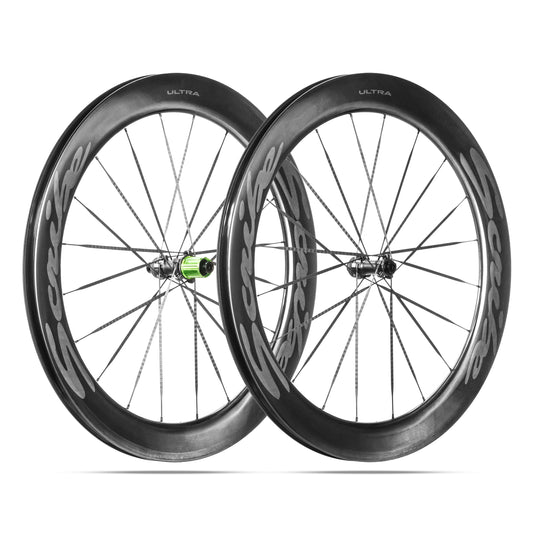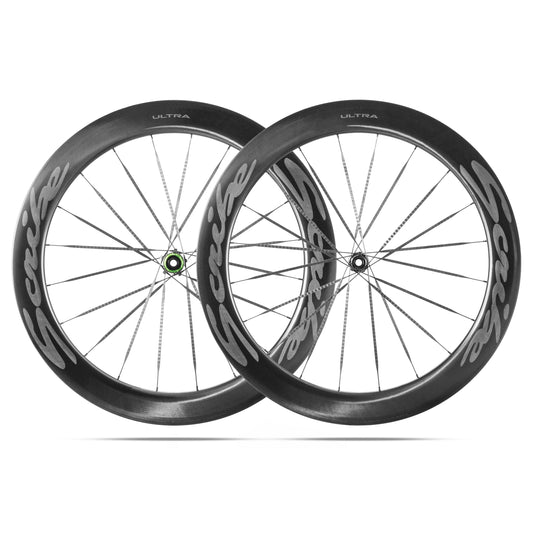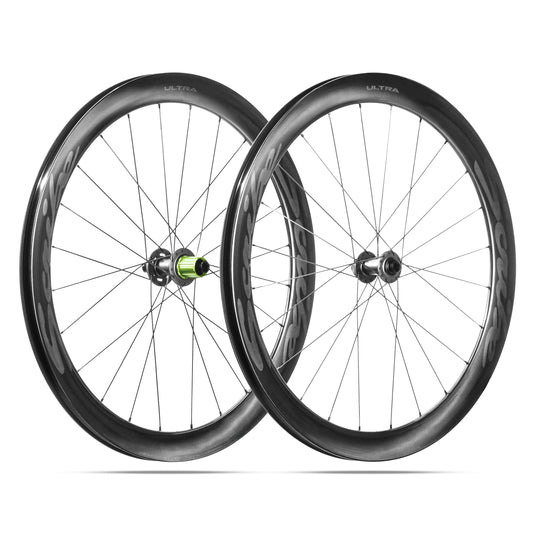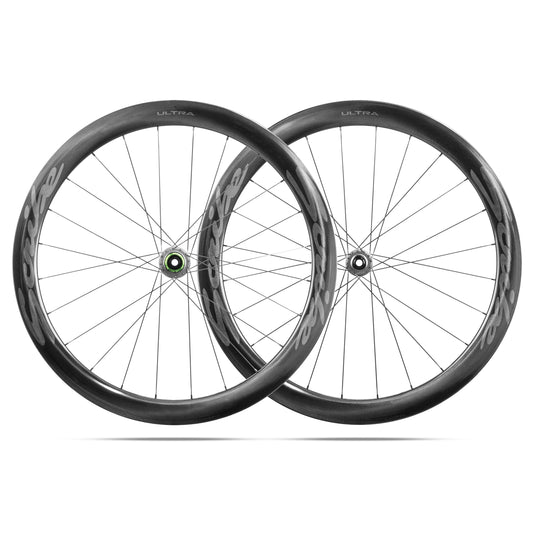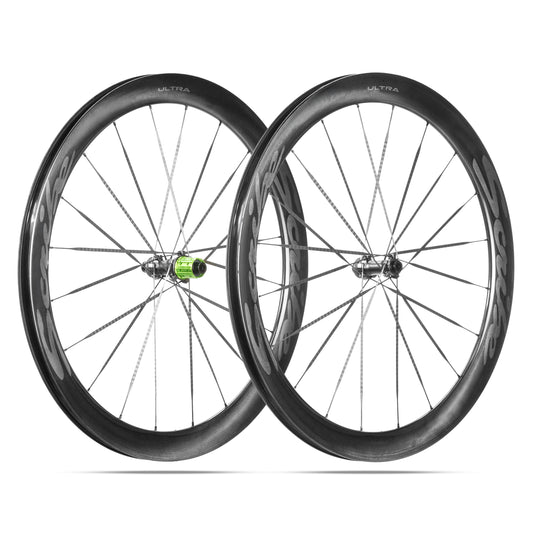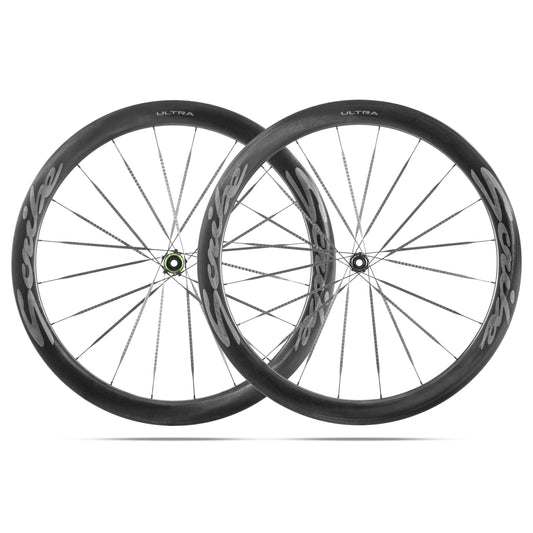



Explore our full range of engineered, hand-built carbon road bike wheels today!

Why Cheap Carbon Road Bike Wheels Fail
Carbon wheels have become dramatically more accessible in recent years. A decade ago, high-performance wheelsets could cost several thousand pounds. Today, riders can find carbon road bike wheels online for as little as £400–£500.
The Truth Behind The Price
At first glance, many of these cheaper wheels appear nearly identical. Yet, many riders report a similar experience: the wheels initially feel great, but after a few months, problems begin to appear. So, why do these failures occur? The answer lies in the engineering details that riders rarely see.
● Premature bearing wear
● Fractured spoke nipples
● Peeling clear coat or lacquer
● Loss of spoke tension (wheels going out of true)
Carbon Fibre Quality & Layup Architecture
Carbon used on bicycle wheels is not a single material; it exists in many grades with different structural properties. More importantly, performance is determined not only by the fibre itself but also by how it is arranged within the composite structure. Developing an optimised carbon layup requires significant engineering work, including structural analysis, testing, and iteration.

Lower-cost carbon cycling wheels often reduce costs by using lower-grade fibres or simplified, unoptimized layups. The result may look similar externally, but the internal structure behaves very differently under load, leading to reduced stiffness and durability.
Resin Systems & Manufacturing Discipline
As mentioned previously, carbon rims are manufactured from pre-impregnated composite materials known as "prepreg." These materials have strict storage requirements. If not stored in controlled refrigeration, the resin properties can degrade before manufacturing even begins. High-quality manufacturers maintain strict protocols, ensuring the final structure achieves its intended performance.
Composite manufacturing is highly process-dependent. Inconsistent environments introduce defects such as voids, resin-rich areas, or fibre misalignment. These imperfections often reduce the long-term durability of carbon bicycle wheels.
Machine-Built vs. Hand-Built Wheels
Wheel assembly is another critical factor. Many lower-cost wheels are assembled entirely by automated machines. While efficient, this process can produce uneven spoke tension. A skilled builder like we have at Scribe can carefully equalise spoke tension, allowing the structure to stabilise before it leaves the workshop. This process also gives the technicians time to assess and further inspect the rim as load is applied.

Hidden Structural Details
Some of the most important design features in a carbon wheel for a bike are invisible. For example, glass fibre reinforcement layers are often used internally to isolate aluminium nipples from the carbon structure and prevent galvanic corrosion. If these protective layers are omitted to save cost, corrosion can occur inside the rim, significantly shortening its lifespan.
The Industry’s Obsession With Weight
Cyclists are weight-conscious, and manufacturers often compete to produce the lightest wheel on paper. The easiest way to reduce weight is simply to remove material. However, removing material without redesigning the structure reduces safety margins. True optimisation requires investment in advanced layup strategies and structural testing.

What Should Riders Look For?
When evaluating carbon road bike wheels, look beyond the visible specifications:
-
Brand Trust: Is the brand reputable? Are they backed by real riders and engineers?
-
Long-Term Performance: A quality wheel shouldn't just perform well on its first ride; it should remain fast, true, and reliable for years.